
8 Benefits to Commissioning a Structural Survey
When planning any form of refurbishment, extension, or structural alteration, having accurate and reliable information from the outset is essential. A geomatic structural survey provides a detailed understanding of a building’s condition, geometry, and behaviour, allowing informed decisions to be made with confidence.
Below, we’ve broken down the key benefits and what they really mean for your project.
What is a Structural Survey?
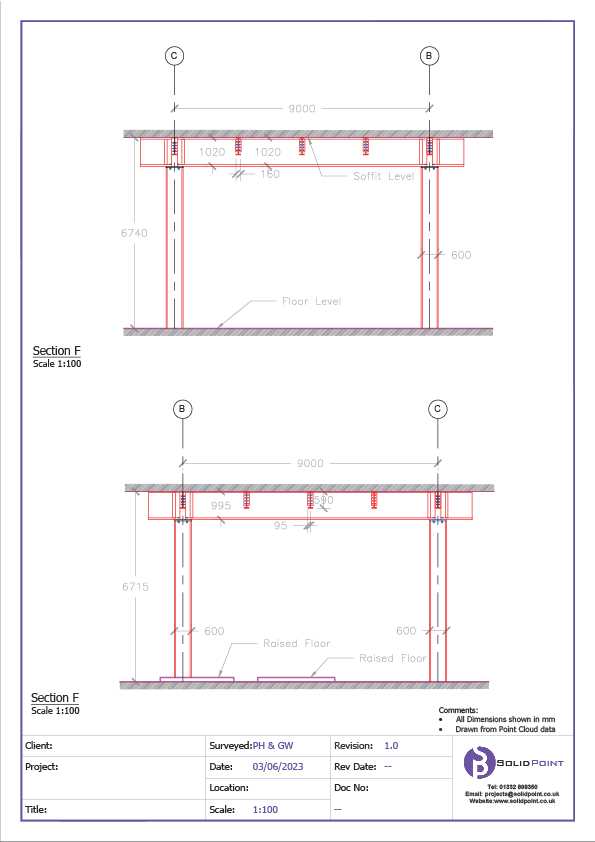
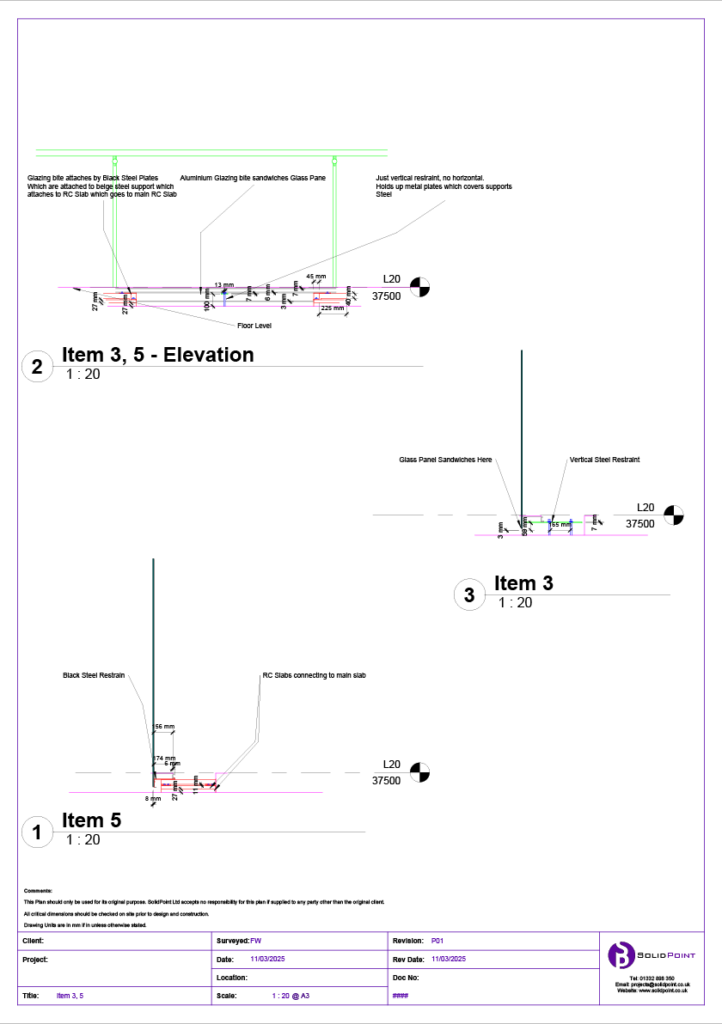
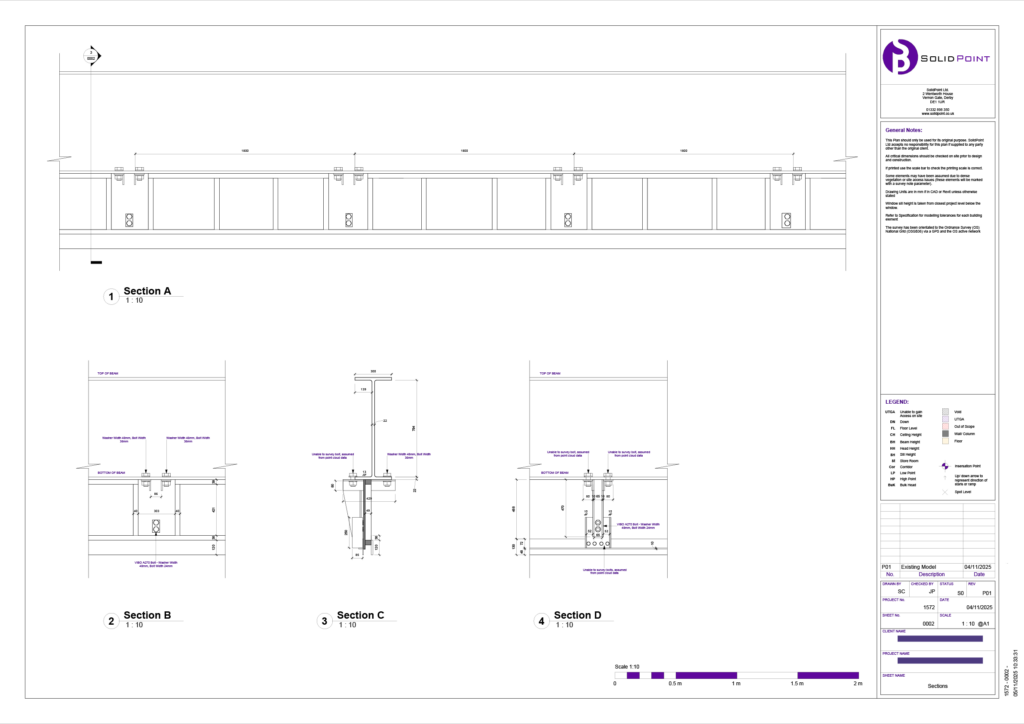
A structural survey is a detailed measurement of the main structure and connections of beams, components of a building and columns to understand its form, dimensions, condition, and any signs of deformation.
The aim is to provide reliable information for design, repair, monitoring, refurbishment, construction, or risk management, helping clients and professionals make informed decisions based on highly precise measured evidence.
Now let's get into the benefits of commissioning one...
1. Accurate data you can trust
The core benefit of a geomatic structural survey is the level of accuracy it delivers. Using advanced survey technology, these surveys capture precise measurements and detailed structural information that goes far beyond what traditional methods can achieve.
This reliable dataset forms a solid foundation for the entire project. Designers, engineers, and contractors can all work from the same accurate information, reducing uncertainty and ensuring that every decision is based on real-world conditions rather than assumptions.
In practical terms, this means fewer surprises as the project progresses and a much clearer understanding of the building from day one.
2. Reduced risk through early issue identification
One of the most valuable aspects of a structural survey is its ability to identify defects and potential issues before they develop into serious problems.
Cracks, movement, deflection, or irregularities in the structure can all be detected early. This allows clients and project teams to address concerns before they reach a point of failure, where repairs become more complex and significantly more expensive.
By highlighting these issues upfront, a geomatic structural survey helps reduce overall project risk and supports safer, more controlled construction or refurbishment works.
3. Avoiding costly assumptions
Without a detailed structural survey, many decisions during design and construction are based on assumptions. This can lead to major challenges once work begins on site.
For example, a contractor may only discover that a design is not feasible after opening up the structure, leading to delays, redesigns, and unexpected costs.
A geomatic structural survey removes this uncertainty. By providing accurate structural data at the beginning of the project, contractors know exactly what they are working with. This allows for more efficient planning, clearer specifications, and fewer costly changes during construction.
4. Greater confidence in design
Having access to precise structural information gives engineers and designers the confidence they need to develop practical and efficient solutions.
Rather than working around unknowns, they can design with certainty, knowing that their proposals align with the existing structure. This leads to better coordinated designs, improved feasibility, and a smoother transition from concept to construction.
Ultimately, it creates a more streamlined design process where decisions can be made quickly and with assurance.
5. Supporting maintenance and long-term monitoring
Geomatic structural surveys are not only useful for immediate project needs. They also provide valuable insights for ongoing building maintenance and future planning.
If defects such as cracking or movement are identified, these can be monitored over time. The survey data can help establish maintenance schedules, highlight areas that require urgent attention, and support preventative maintenance strategies.
This proactive approach helps extend the lifespan of a building and reduces the likelihood of unexpected repair costs in the future.
6. More efficient planning from the outset
By capturing accurate dimensions, identifying structural irregularities, and highlighting visible defects early, geomatic structural surveys play a key role in improving project planning.
With a clear understanding of the building’s condition and layout, project teams can develop more realistic programmes and avoid unnecessary delays. It also allows for better sequencing of works, as potential challenges are identified and addressed in advance.
This level of preparation leads to a more efficient project overall, with fewer disruptions once work begins on site.
7. Better outcomes for clients
For clients, the impact of commissioning a structural survey is clear. It creates a stronger foundation for the entire project and leads to more predictable outcomes.
Key advantages include:
- Fewer delays, as issues are identified and resolved early
- Fewer variations during construction, reducing unexpected costs
- Improved coordination between consultants and contractors, with everyone working from the same data
- A more reliable basis for budgeting and programme planning
These benefits combine to create a smoother, more controlled project experience from start to finish.
8. They're a valuable long-term asset
Beyond the immediate project, a geomatic structural survey provides a detailed record of the building at a specific point in time.
This information can be used for future development works, compliance requirements, and ongoing asset management. It also supports monitoring over time, making it easier to track changes in the structure and plan future interventions if needed.
In this way, the survey becomes more than just a project tool. It is a long term asset that continues to deliver value well beyond the initial scope of works.
A geomatic structural survey is not just an additional step in the process. It is a critical investment that underpins better decision making, reduces risk, and improves overall project efficiency.
By providing accurate data, early insights, and long term value, it enables clients and project teams to move forward with confidence and clarity.