Buried Obstruction Surveys
Buried obstruction surveys are a type of Underground Scanning Survey that allows us to see what’s present underground without the need for excavating an area and potentially causing damage to the scanned surface or the buried objects.
These surveys allow us to identify any buried obstructions early, avoiding any surprises that will cause delays further into the project.
Every SolidPoint buried obstruction survey follows HSG47 regulations for improved health & safety, ensuring that our team are always taking the necessary precautions to keep themselves safe.

How Does It Work?
To conduct buried obstruction surveys, we use a Ground Penetrating Radar (GPR), a non-destructive, non-intrusive detection and imaging method that identifies subsurface anomalies that are either underground or within surfaces - for example, within concrete.
The GPR sends a radio signal through a surface and reads the ‘bounce’ (the time the signal takes to return back to the GPR). This ‘bounce’ indicates the distance between the underground surface and the GPR.

What Can a GPR Detect?
A GPR can detect both metal and non-metal utilities, such as:
- Electrical conduit
- Steam pipes
- Gas and oil lines
- Water lines
- Sewers and gas mains
- Corpses / graves / bones
- Fuel and vent pipes
- Lighting cables
As well as this, it can also locate multiple utilities, such as:
- Voids
- Rebar
- Conduit
- Post-tension cables
- Big structures
- Basements / crypts
Obstruction surveys play a crucial role in construction projects, urban development, archeology & heritage preservation, and so much more due to the huge variety of benefits they provide.
Some of the benefits to come from these surveys include:
Preventing Costly Delays
Avoid discovering old foundations, pipes or tunnels after breaking ground by locating them early and giving you ample time to plan the necessary precautions to avoid them.
Versatility
GPR surveys can be conducted over various ground conditions, such as concrete, fields and city centres as long as the ground is relatively flat.
Safety
Detecting buried hazards, such as voids, sinkholes or unstable ground ensures that your team and equipment are safe at all times
Efficiency & Accuracy
Finding buried utilities without needing to dig up various areas allows for more accurate and informed decisions to be made prior to starting your project
Utility Clearance Surveys →
Need specific borehole, trial pit or excavation positions checked for buried services before you dig? See our utility clearance surveys.
When to use this survey
How a buried obstruction survey fits your project
A buried obstruction survey is an underground scanning survey. It is used to find what is already in the ground — old foundations, tanks, voids, basements and similar features — before you break the surface. Every SolidPoint buried obstruction survey follows HSG47 precautions on site.
If you need buried services mapped to a PAS 128 methodology, see our PAS 128 utility surveys. If you have specific excavation positions to check before you dig, our utility clearance surveys page explains that option. A buried obstruction survey is the wider look at what else may be in the ground, not only live utilities.
We work across the Midlands and the UK, including Derby, Nottingham, Leicester, Birmingham, London, Manchester, Leeds and Sheffield. Request a proposal with the site address and any drawings you already have.
Frequently asked questions
What can GPR pick up?
As described above, GPR can indicate a wide range of buried features, from foundations and tanks to voids, rebar and larger structures, depending on ground conditions. The site needs to be reasonably flat. We will say if another method is a better fit once we have seen the brief.
Is this the same as a PAS 128 utility survey?
No. PAS 128 is the method we use to map buried utilities. A buried obstruction survey looks more broadly at what is in the ground. Many projects benefit from both; we can advise when you request a proposal.
Where have you done this kind of work?
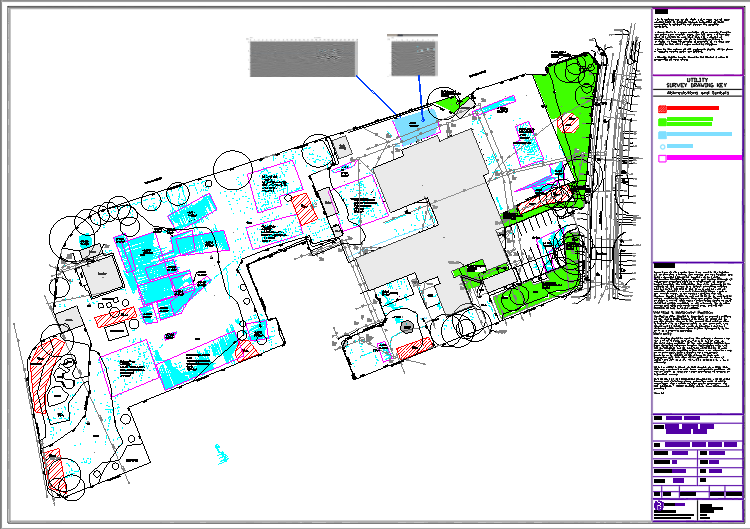
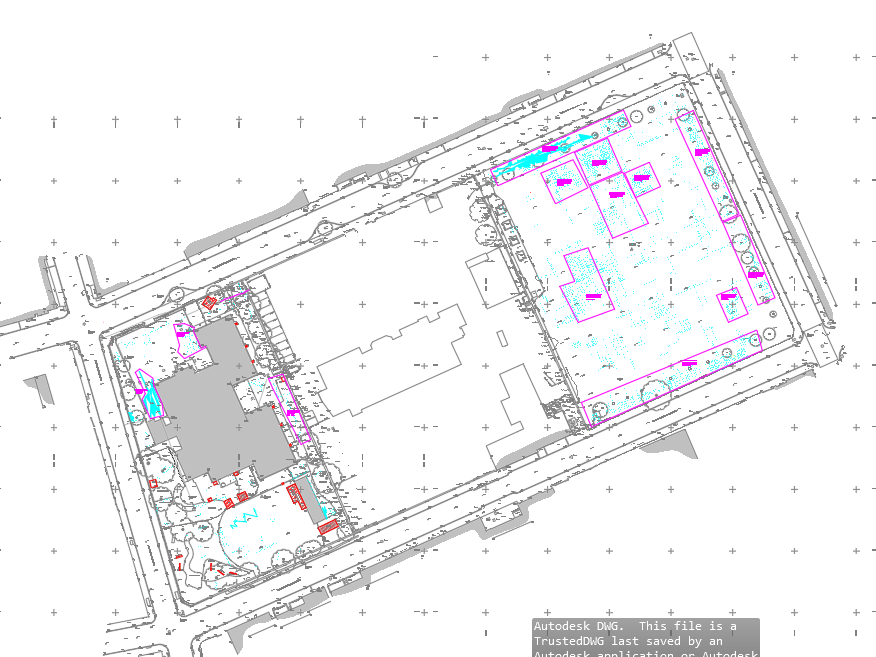
Examples on this page include Becket Primary School and Pear Tree Infant School. We undertake buried obstruction surveys across the Midlands and the UK.
Take a Look At Our Buried Obstruction Case Studies!
Becket Primary School
Pear Tree Infant School
Areas We Cover:
Derby
Nottingham
Leicester
Birmingham
Sheffield
Manchester
Leeds
London
How a project works
From the first enquiry through to handover, this is how a typical project runs.
For a buried obstruction survey, we scan the ground with GPR on site to find underground features before you break ground.
Enquiry
Tell us about the site and what you need. A short brief is enough to get started.
Scope call
We'll have a quick chat about the scope, deliverables and any constraints, so expectations are aligned before we write the proposal.
Proposal
We confirm the agreed scope, deliverables and programme in a written proposal.
Site visit
Our surveyors attend site and carry out the survey.
Processing and QA
We process the data and check the deliverables for accuracy and format against the agreed specification.
Handover and feedback
We issue the deliverables, then check in about a week after completion for your feedback.
Request a Proposal
Tell us about your survey and we’ll help you take the next step.





Trusted Suppliers for: