
How Useful Is a Measured Building Survey?
Whether you are planning a renovation, extension, refurbishment, redevelopment, or simply need accurate building information, a measured building survey provides the reliable data needed to make informed decisions from the very beginning.
Written by J.Jackson | Published: 24th June 2026
Many project delays, budget overruns, and design challenges can be traced back to one common issue - inaccurate or incomplete information about the existing building.
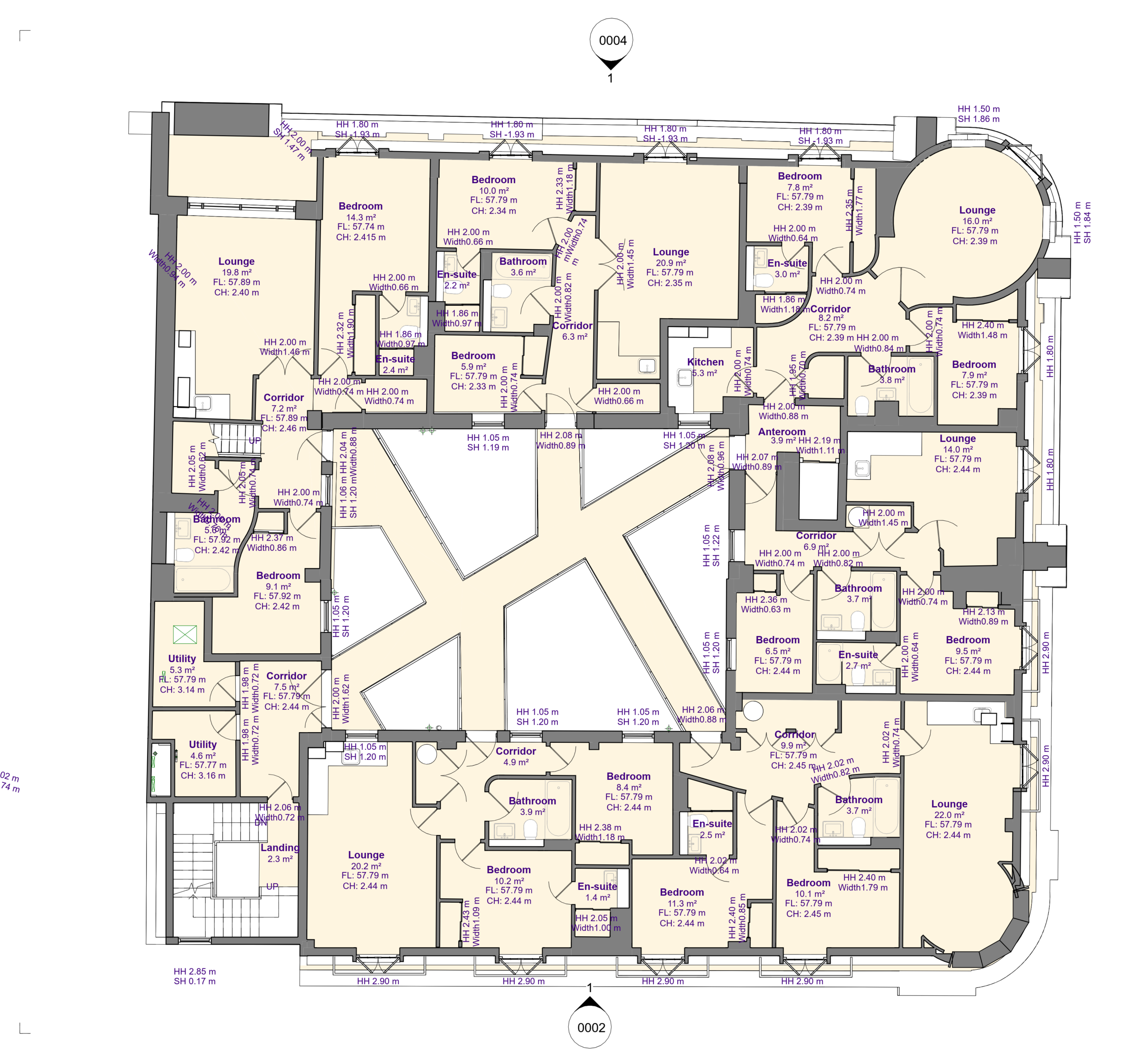
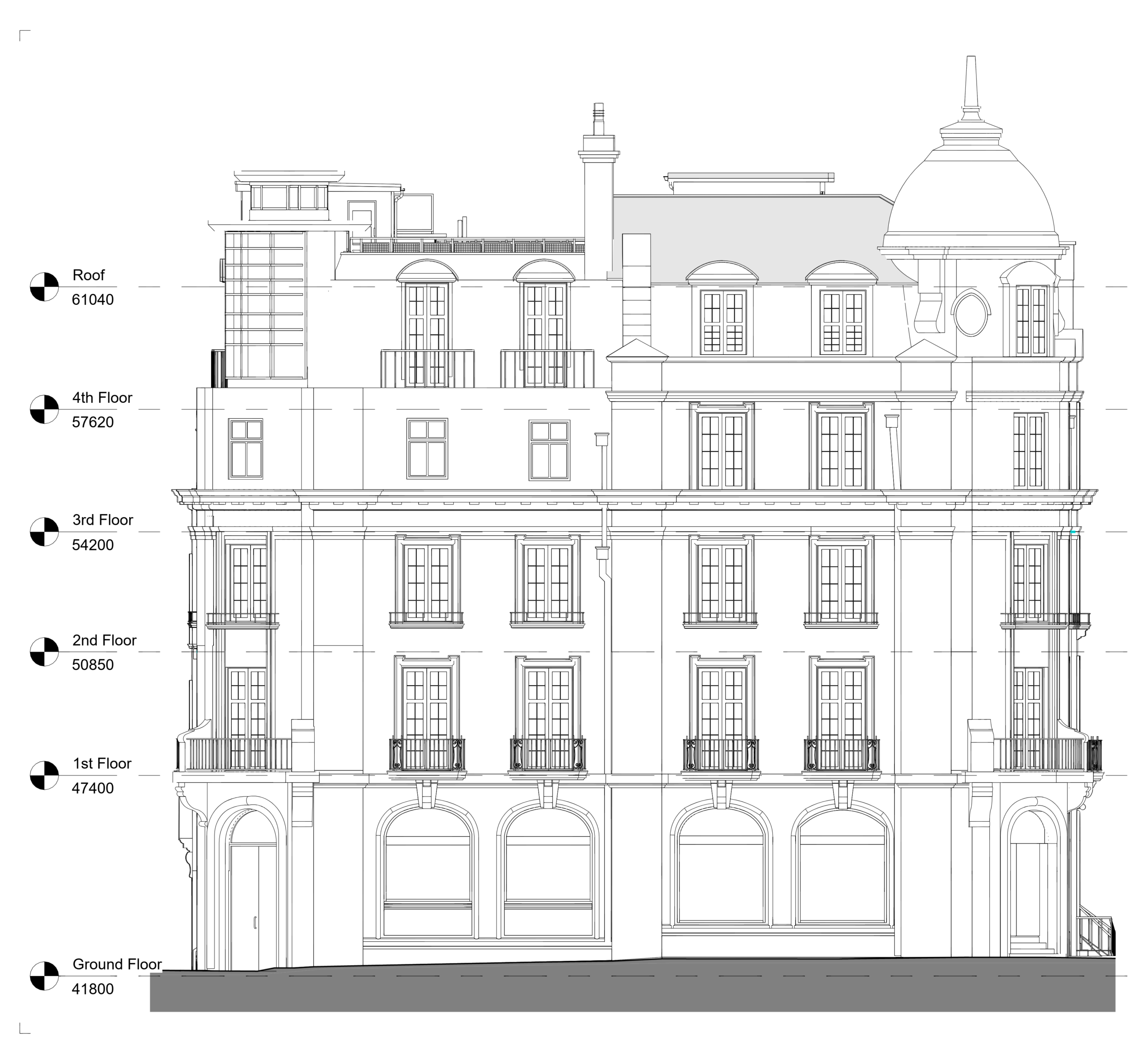
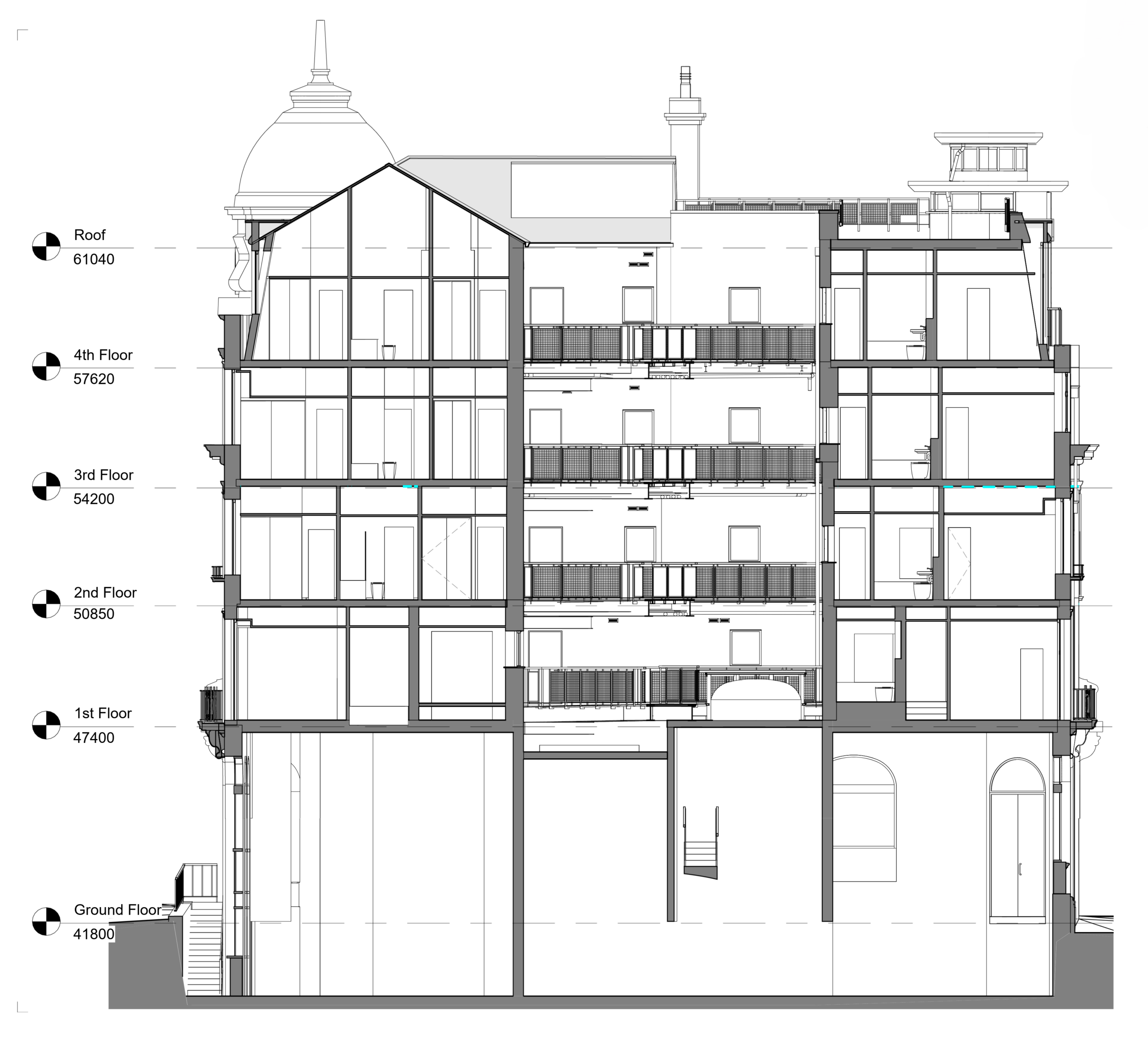
A professional measured building survey removes that uncertainty by capturing precise data about a property's layout, dimensions, structure, and architectural features. Using modern surveying technology, surveyors can create highly accurate floor plans, elevations, sections, and 3D Revit models that form the foundation of successful projects.
At SolidPoint, our measured building surveys are designed to provide clients with the confidence to plan, design, and build with accuracy from day one.
Benefits of a Measured Building Survey
Accurate Building Information You Can Rely On
One of the primary benefits of a measured building survey is access to accurate and reliable information about your property.
Without current survey data, architects, engineers, contractors, and property owners often rely on outdated drawings or assumptions about the building's dimensions and layout. Unfortunately, these assumptions can lead to costly mistakes later in the project.
A measured building survey captures the building as it exists today, providing precise information about:
- Internal floor layouts
- External elevations
- Building sections
- Structural elements
- Architectural features
- Ceiling heights
- Openings, windows, and doors
This accurate dataset creates a dependable foundation for every stage of your project, from concept design through to construction.
Reduce Project Risks and Unexpected Costs
Every construction or renovation project carries some level of risk. However, many common issues can be significantly reduced when accurate building information is available from the outset.
Unexpected site conditions, dimensional discrepancies, and clashes between proposed designs and existing structures often lead to delays, redesign work, and additional costs.
A measured building survey helps identify existing conditions early, allowing project teams to make informed decisions before work begins. This proactive approach helps reduce the likelihood of:
- Design errors
- Construction delays
- Unexpected structural conflicts
- Costly variations
- Rework on site
By understanding the building in detail before committing to design and construction decisions, project teams can move forward with greater confidence and fewer surprises.
Improve Project Planning and Decision-Making
Successful projects depend on effective planning.
A detailed measured survey provides the information needed to assess opportunities, identify constraints, and allocate resources more efficiently.
When architects and consultants have access to accurate survey data, they can develop designs based on real-world conditions rather than assumptions. This leads to better-informed decisions throughout the project lifecycle.
The result is often:
- More efficient design development
- Faster decision-making
- Improved resource allocation
- Better coordination between disciplines
- Greater cost control
Accurate survey information allows everyone involved in the project to work from the same reliable dataset, helping keep programmes and budgets on track.
Support Compliance and Industry Standards
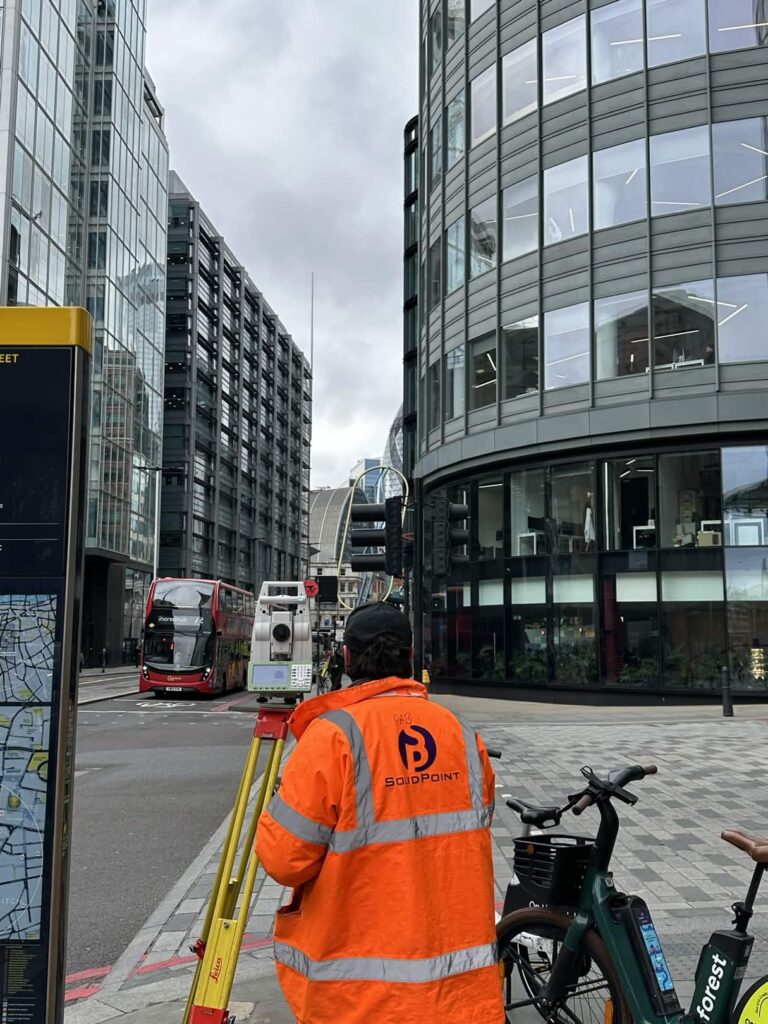
Professional measured building surveys should be carried out in accordance with recognised industry standards.
At SolidPoint, surveys are undertaken using established surveying methodologies and measurement practices to ensure consistency, accuracy, and reliability. The purpose of recognised measurement standards is to provide precise definitions that enable accurate and consistent building measurement across the industry.
Working to recognised standards helps ensure that survey data can be confidently used by architects, engineers, project managers, and other stakeholders throughout the design and construction process.
Essential for Renovation and Extension Projects
When planning an extension, refurbishment, or building alteration, understanding the existing property is critical.
Every building has unique characteristics, limitations, and structural considerations that can affect design proposals. Without accurate information, it can be difficult to determine what is achievable and how new works will integrate with the existing structure.
A measured building survey provides a detailed understanding of:
- Existing layouts
- Structural arrangements
- Building geometry
- Available space
- Site constraints
This information enables designers to create proposals that work with the building rather than against it.
For homeowners, developers, and architects alike, having a clear picture of the existing conditions helps streamline the design process and reduce the risk of costly changes later.
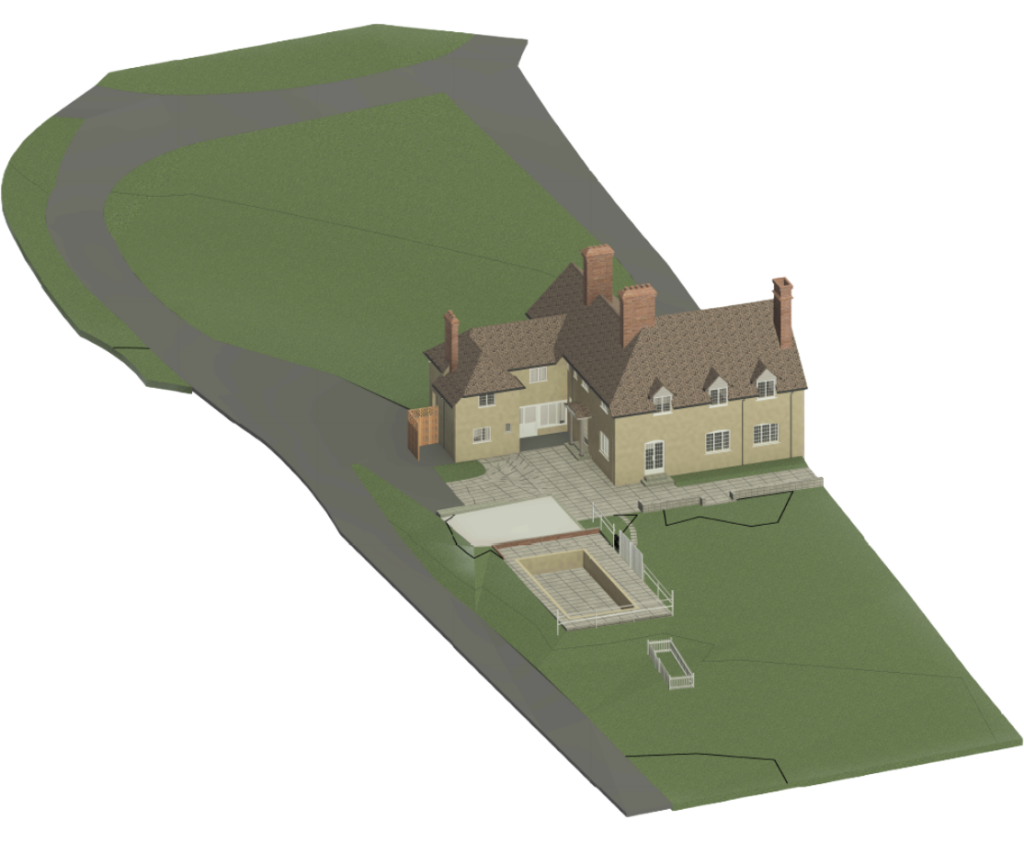
Increase Cost Efficiency Across Your Project
Accurate information saves money.
While commissioning a survey represents an upfront investment, it often helps reduce project costs over the long term by preventing errors, redesigns, and unexpected issues during construction.
Reliable survey data allows project teams to:
- Produce more accurate designs
- Reduce site queries
- Minimise rework
- Improve coordination
- Avoid unnecessary adjustments
When decisions are based on precise information rather than estimates or assumptions, projects can progress more efficiently and with greater certainty.
In many cases, the cost of a measured building survey is small compared to the potential savings it can generate throughout the project.
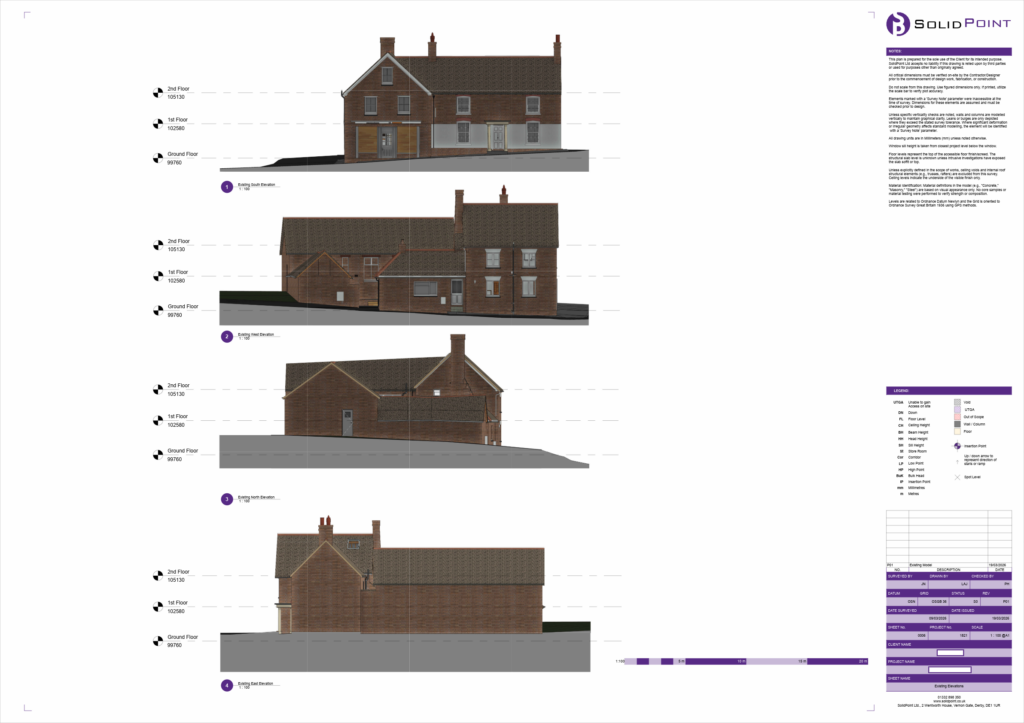
Enhance Communication Across the Project Team
Clear communication is essential for any successful project.
One of the most valuable aspects of a measured building survey is the visual information it provides. Floor plans, elevations, sections, point clouds, and 3D Revit models make it easier for project stakeholders to understand the building and communicate effectively.
Visual survey outputs help:
- Architects explain design proposals
- Contractors understand project requirements
- Consultants coordinate their designs
- Clients visualise existing conditions
When everyone is working from the same accurate information, misunderstandings become less likely and collaboration becomes more effective.
This shared understanding helps improve coordination throughout the project and reduces the risk of costly errors caused by miscommunication.
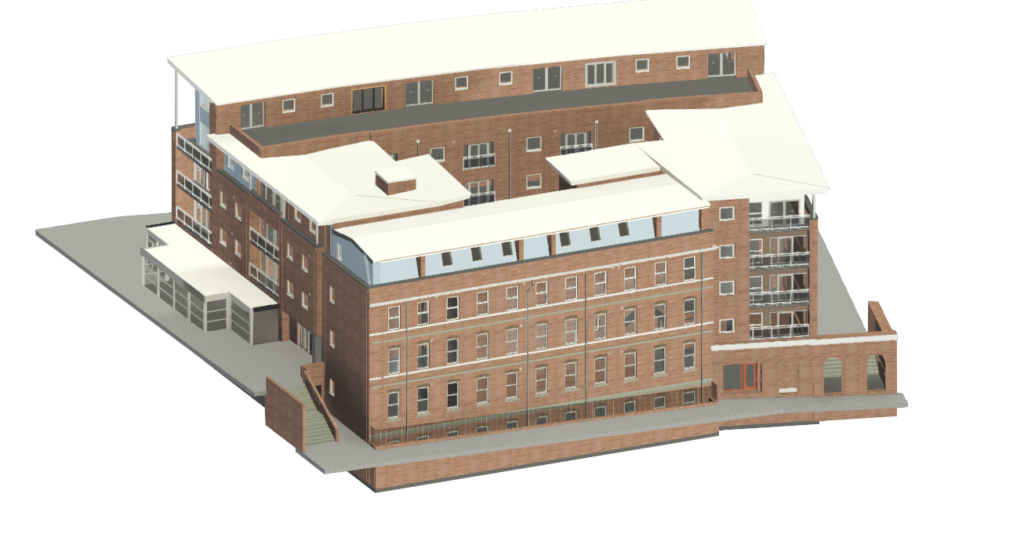
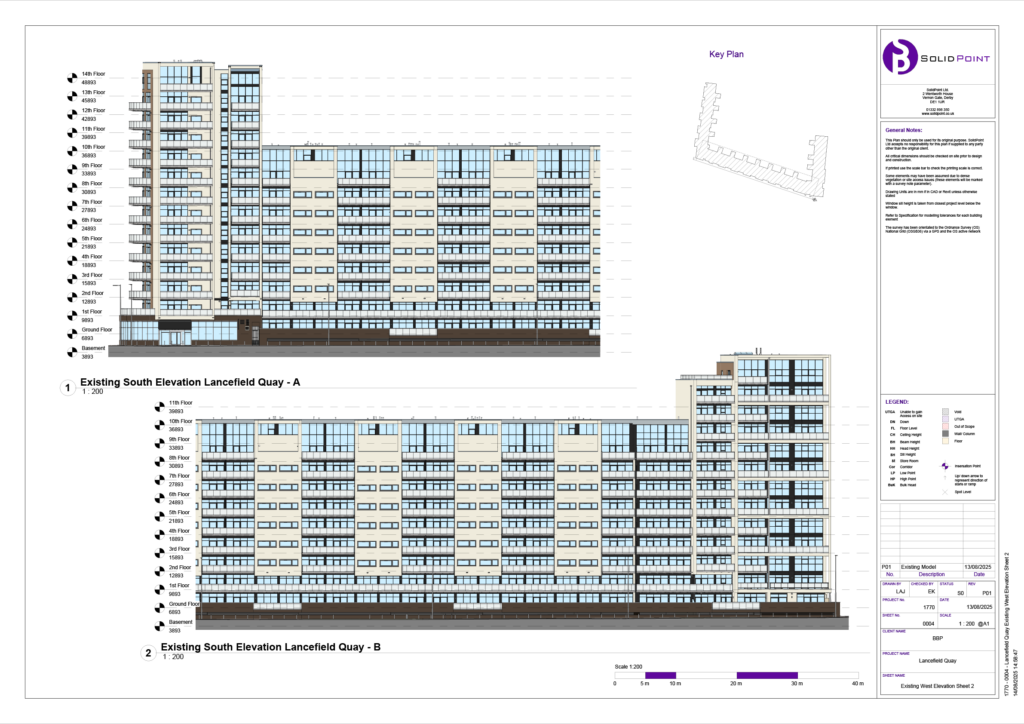
So, How Useful Is a Measured Building Survey?
A measured building survey is much more than a set of drawings. It provides the accurate information, clarity, and confidence needed to make informed decisions throughout a project's lifecycle.
From reducing risk and improving planning to supporting renovations and enhancing communication, the benefits extend far beyond the initial survey itself.
Whether you are planning a residential extension, commercial refurbishment, heritage restoration, or large-scale redevelopment, investing in accurate survey data at the start of the project can save significant time, money, and frustration later.
At SolidPoint, our measured building surveys provide the accurate information your project needs to succeed.