Surveys For Planning Applications
Written by: J.Pegg| Published: 2nd July 2026
Did you know that inaccurate site data is one of the leading causes of delayed planning applications and budget overruns?
If you are looking to build a new property or extend an existing one outside of permitted development, a planning application is mandatory.
A critical requirement for this application is providing the local council with accurately scaled, GPS-positioned drawings of the existing site.
The Risks of Inaccurate Survey Information
Attempting to bypass professional surveys or relying on outdated information exposes your project to severe risks:
Immediate Application Rejection
Councils routinely reject applications submitted without correctly scaled and positioned existing drawings.
The "Domino Effect" of Wasted Materials
Inaccurate survey data causes compounding errors on-site. A small measurement discrepancy can gradually scale into major structural misalignments, forcing you to waste materials, inflate your budget, or cut corners to rectify the issue.
Forced Rebuilds and Amendments
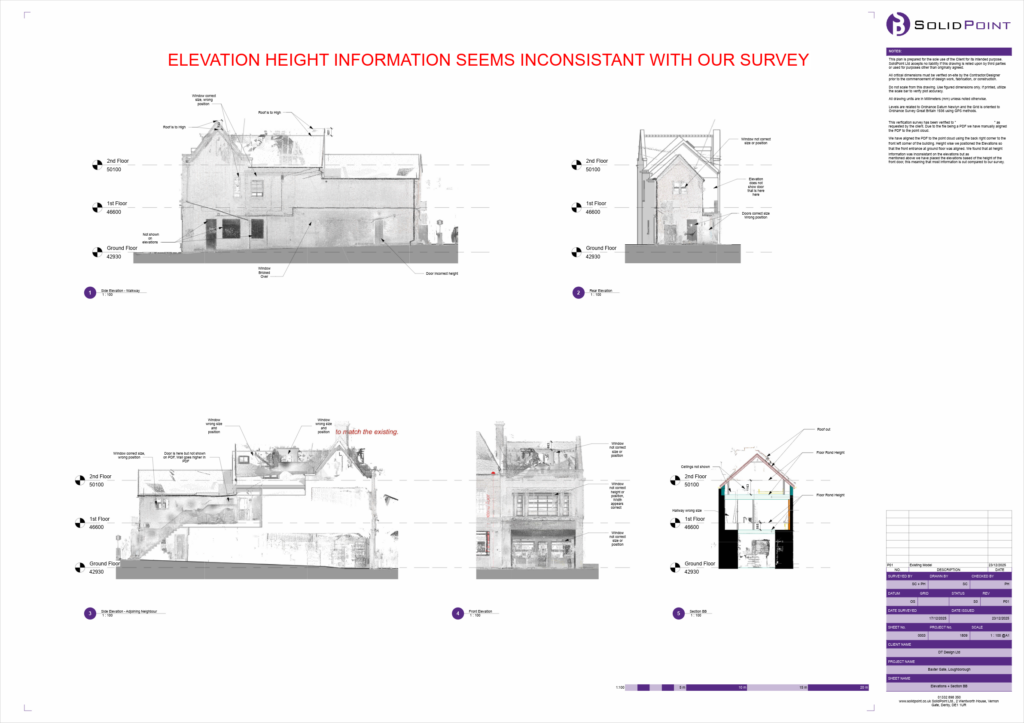
Poor positioning data can be catastrophic. We have witnessed cases where incorrect site levels required roofs to be completely redesigned, or newly built structures had to be demolished because drawn plans misrepresented boundary limits.
Failing Building Regulations
Even with planning approval, construction must meet strict building regulations. Incorrect survey data often means the final construction fails to comply with space, height, or access requirements.
Flood Risk Vulnerability
In flood-prone areas, building at the exact required Finished Floor Level is legally essential. A professional survey guarantees these levels are perfectly defined.
Essential Survey Types & How They Secure Planning Approval

Topographical Survey
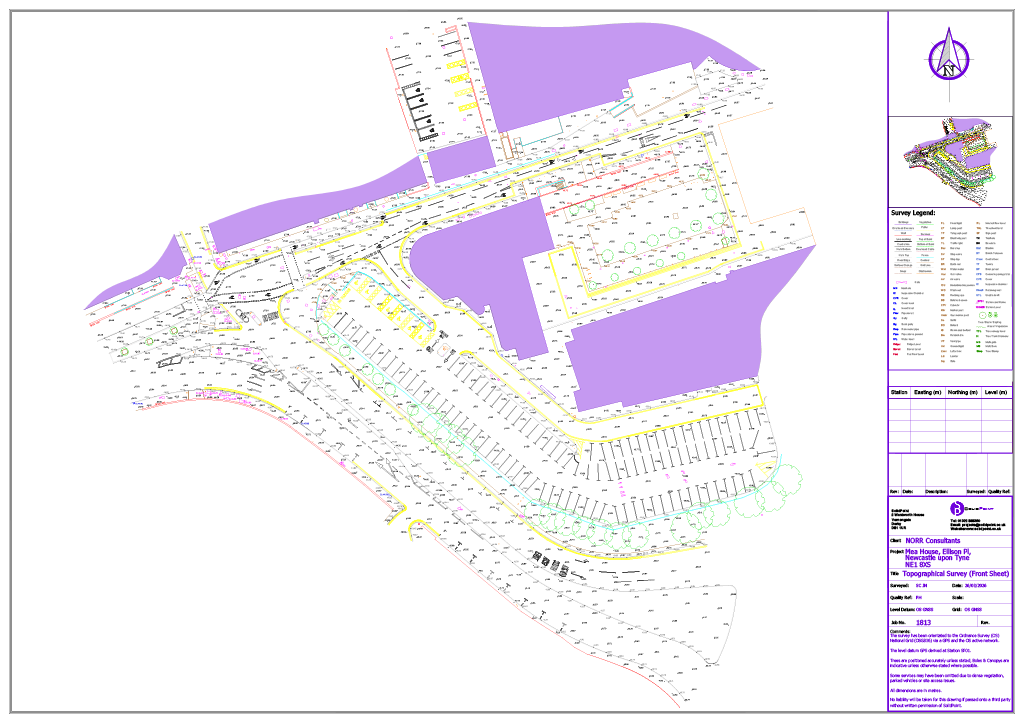
This provides an exact, GPS-positioned map of all land features, levels, and physical boundaries of the site, alongside the access to it, empowering your designers to optimise ground excavation and avoid guesswork.
Without a topographical survey, your designers will be left guessing or using basic data such as Google Maps or Ordinance Survey plans to plan the design of the site, which usually creates mass amounts of wasted materials, potential and cost.
A few metres gained could be the difference of an extra house or two on a plot. Missing these opportunities could be costly!

GPR & Utility Survey
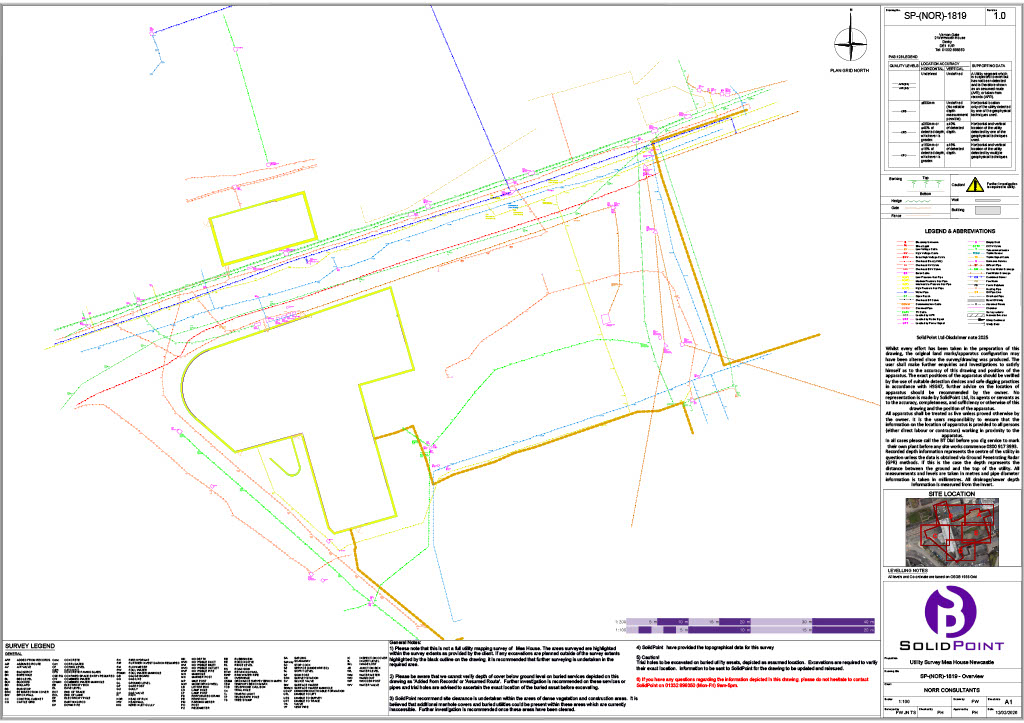
This allows you to know the types, runs and depths of services that run through your site area. Without it, you might be planning to build right on top of a public sewer, may require extra spend to get your waste to the exact levels, or may not realise that you have no access to certain live services, which can cost a small fortune that may not have been allowed for in your budget.
Once the planning is complete, a utility survey is essential for construction teams to know exactly where it is safe to break ground so that they don’t accidentally hit a live cable or strike a water main, posing risk of life and extreme unforeseen repair costs!

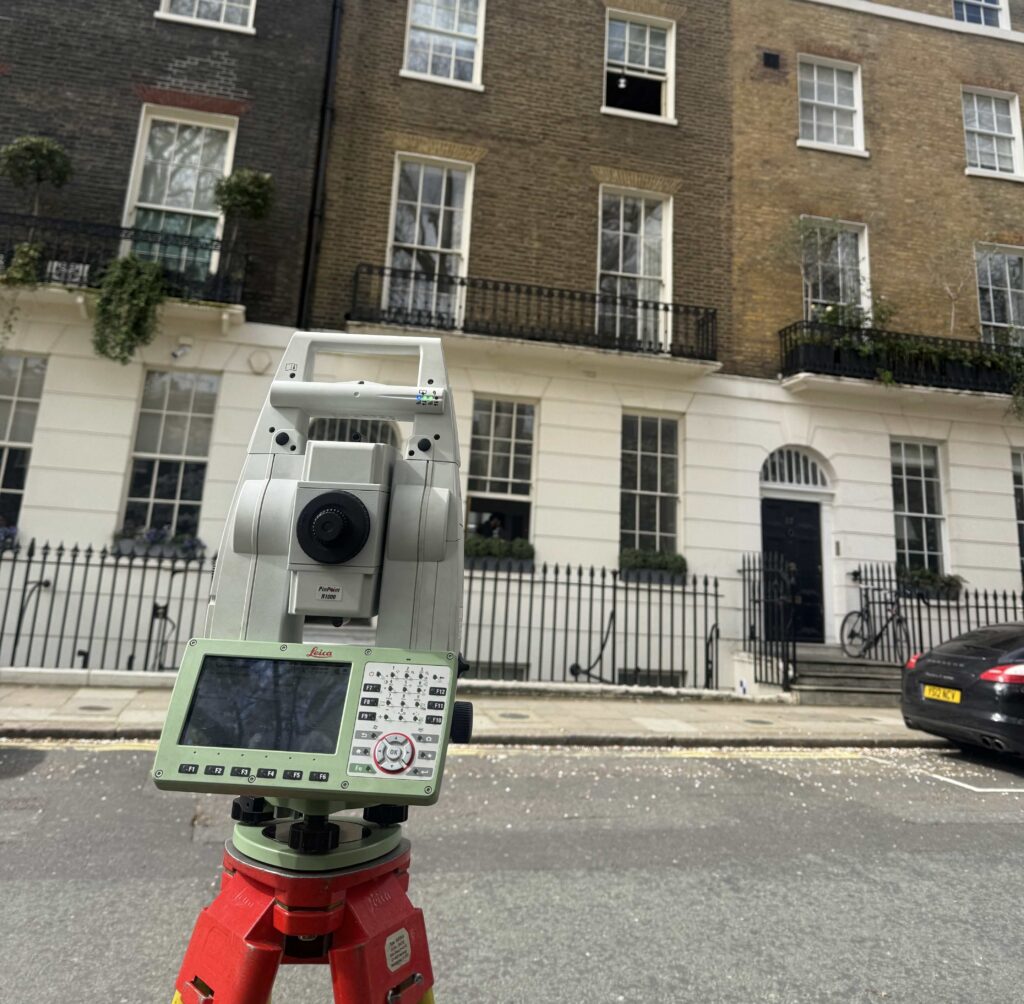
Measured Building Survey
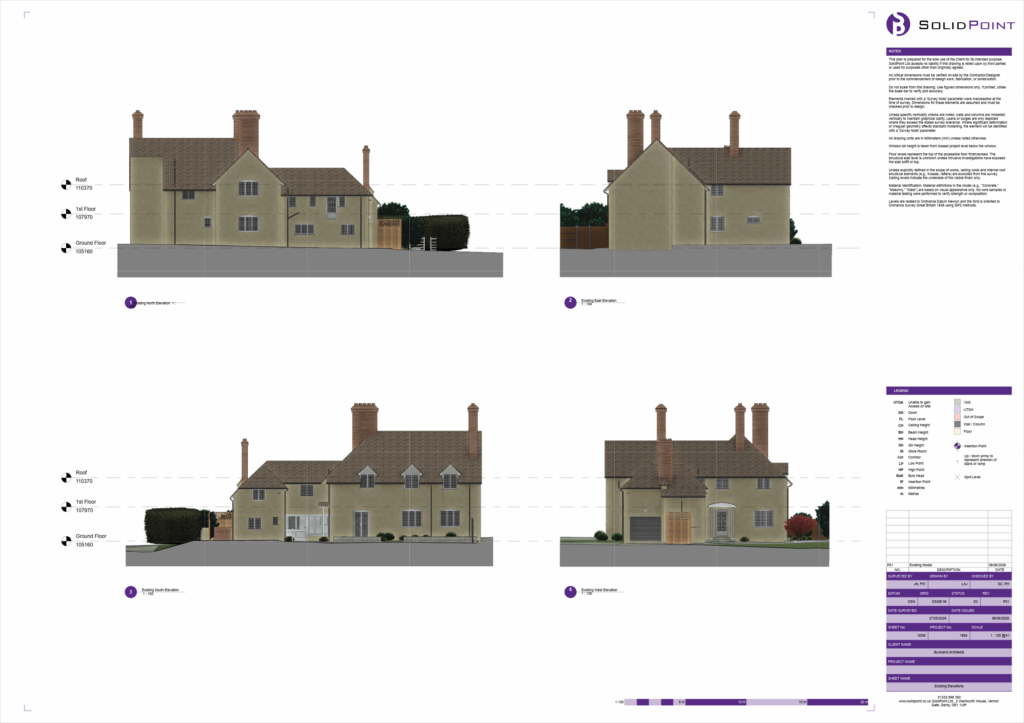
Utilising highly accurate 3D laser scanners, this captures floor plans, elevations, sections, and roof plans, along with any other elements required by the designers to replan the affected space, or maybe even an entire refurbishment or change of use.
Planning authorities require exact existing elevations to compare against your proposals. If things don’t look quite right, planning authorities can force you to make changes to the construction or design to suit, so getting these right is essential!

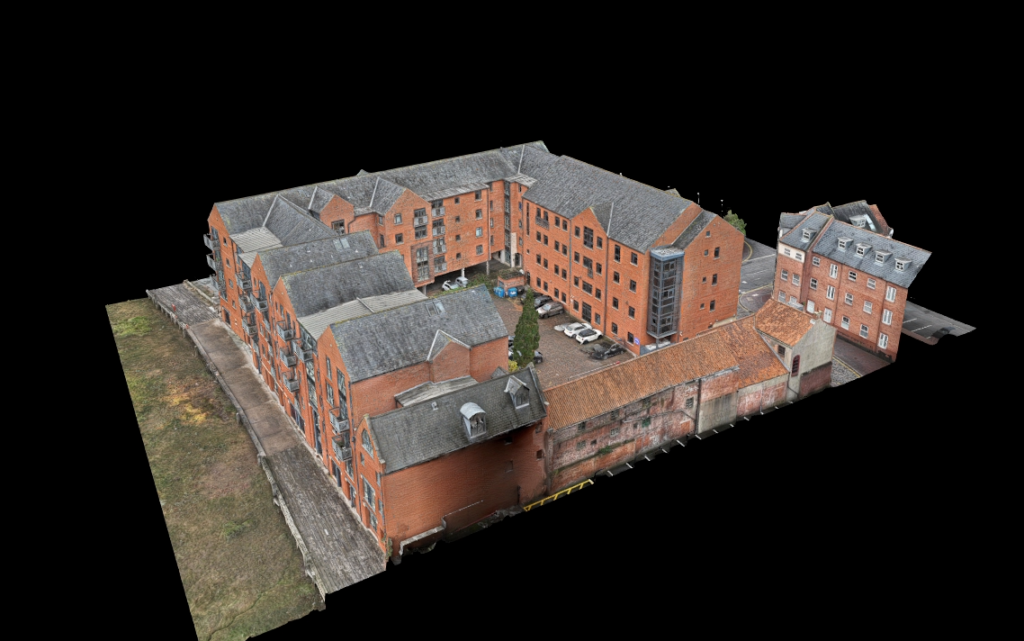
Aerial Drone Survey
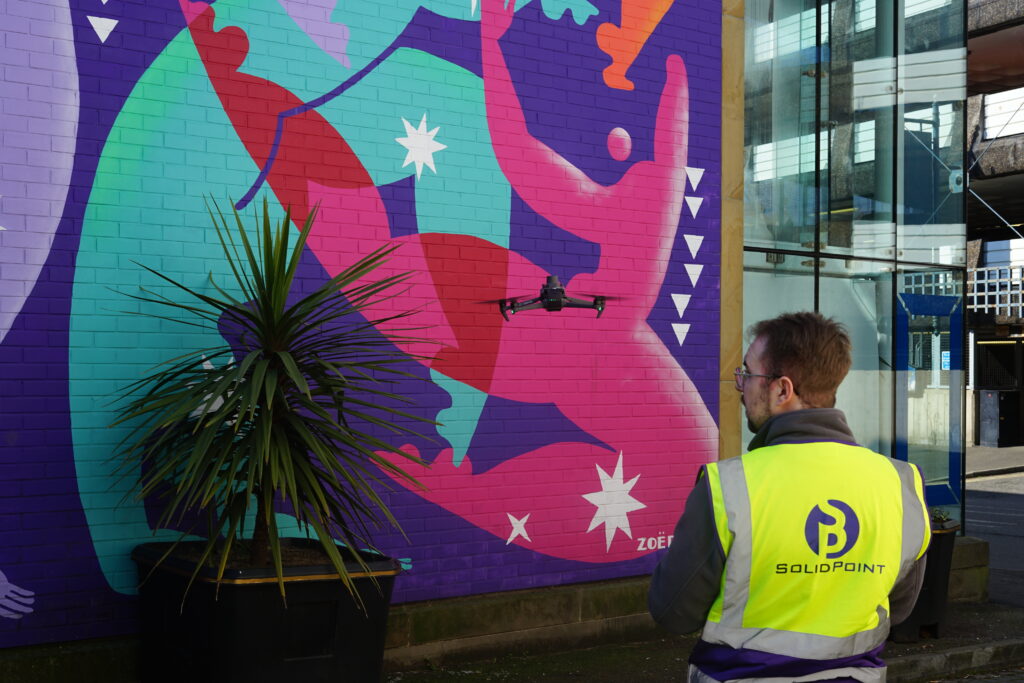
For inaccessible areas or large developments, drone surveys capture accurate level and positioning data quickly.
For larger developments, drone surveys can be deployed to help with feasibility studies, as we can capture accurate level and positioning information from them, making establishing boundary extents and potential flood risk areas really easy to identify at extremely low costs when compared to ground level surveys.

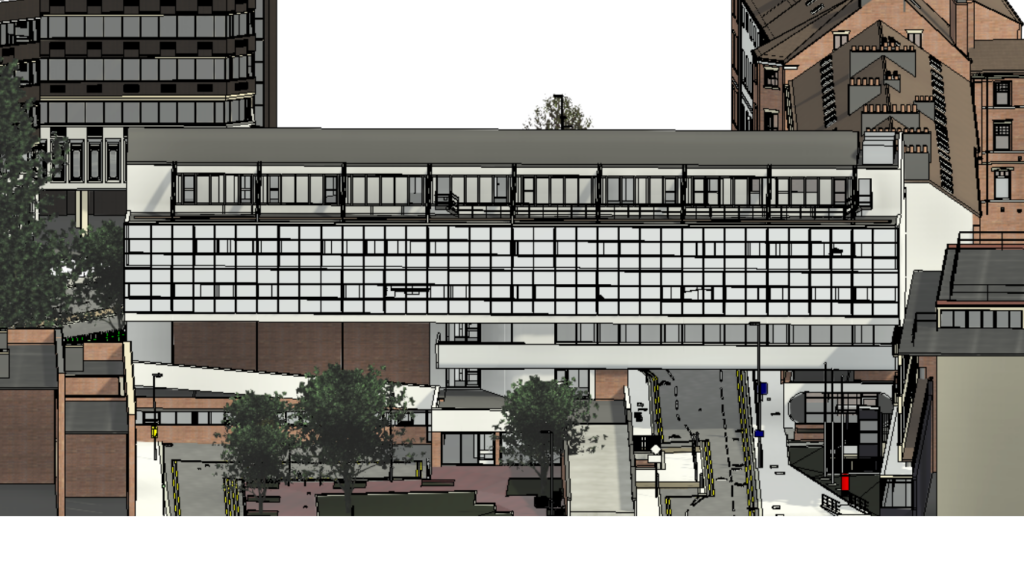
3D & BIM-Ready Revit Survey
This is a method of reverse engineering the existing site & building information into a 3D model. These surveys allow all things captured within them to be easily added to an asset register to help quantify demolition, materials and labour costs for construction.
Planning authorities still require drawn plans to be orthogonal, which doesn’t truly represent what may actually be visible in reality. So, for example, a roof or part of a building may at first glance appear intrusive, but by placing a virtual camera in the virtual proposal, designers can help prove privacy or design concerns to help applications get approved!

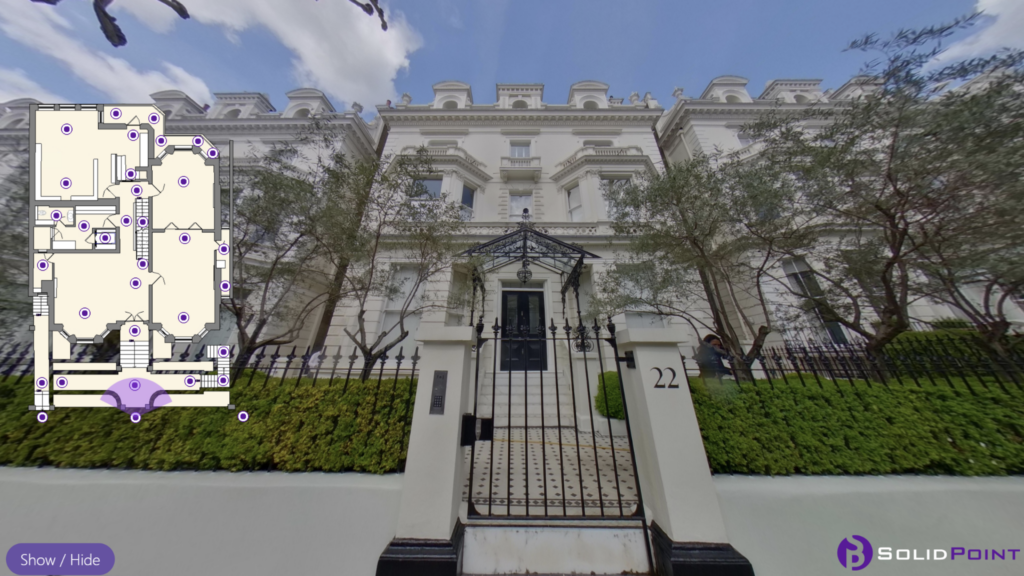
360° Tours
While not strictly for planning, we consider these as an essential part of any survey.
They allow design teams to virtually visit the site or building without actually doing so, saving travel costs and emissions. They also allow teams to share the online tours from anywhere, speeding up key decisions.
They can also serve as a dilapidation or condition report as it accurately captures whatever is visible at the time of survey!
The Immediate ROI of Quality Survey Data
A professional survey is not an expense; it is a vital asset. Without it, your design is pure guesswork.
Long-Term Asset Value
The survey data becomes a permanent asset to the property. If stored safely with building documents, it provides immense value to future owners or tenants, saving them time and inflated costs down the line.
Immediate Risk Mitigation
A £2,000 survey can instantly prevent £20,000 in remedial construction costs or boundary disputes.
A 7-Step Guide to Commissioning the Perfect Survey
We have found over the years that there are 2 major competing factors when it comes to getting the best value for money out of a survey - wants and needs!
It is too easy to demand extreme accuracy with all possible details captured so you’ve covered all possibilities, but unless you are an oil baron with an infinite budget, it’s pretty likely you’ll have a limited pot to draw from, therefore establishing your needs vs. your wants is essential.
Follow these steps to optimise your survey budget:
1. Define your budget
Surveys can generally be scaled to meet any budget, but be sure you allow enough to meet the minimum requirements to suit the cause. We are happy to help you determine this if needed with a simple pre-project meeting, to help walk you through the following steps.
2. Accurately establish the area you need surveying
For example, if you are planning a new-build house, you don’t need the entire neighbourhood surveying, but the actual site and its access for visibility splays are likely to be important.
Or, if you are adding a single storey extension to one end of a large building, you will likely only need the ground floor surveying and in the immediate vicinity of the extension, along with any rooms or elevations that might be affected.
This step alone could reduce the survey costs by huge factors!
3. Determine the services you need
Depending on your project, you’ll likely need a combination of various survey types to meet the need. It’s always more cost effective to commission these together from one company, as it reduces the communication and resources needed.
For example, for a simple extension, commissioning the measured building survey alongside the topographical and GPR utility surveys can save a lot of costs, as multi-skilled surveyors can be utilised to make best use of resources in one visit to the property, rather than making several visits as and when you realise you need more information.
4. Determine the level of detail (LOD) your project requires
Once the survey area has been established and you know which services are needed, now consider the level of detail you need.
If, for example, your intention is to completely strip out a building to its shell and core (just the main structural walls and stairs remain), then asking for all the architectural detail inside the building will likely be pointless and a complete waste of time/cost!
Similarly if you don’t intend to re-use the existing air conditioning and plumbing then asking the surveyor to accurately represent or draw them is a complete waste. Ensure you only request things that will affect the design, or are likely to.
In some cases, our standard specification will cover most things that you need for each service so feel free to ask us for them before you start this step.
5. Consider disruption
If the property is a live site, having surveyors needing full and free access is going to cause a problem.
Consider choosing times of the day that will cause less disruption, even if this is through the night or at the weekend.
This will affect the cost but can be key to maintaining a building’s operation.
6. Request a proposal
Once all of the above is complete, request a proposal from us defining each of the things above. If you need help, don’t be afraid to call or email us again at this point and we can help and advise wherever needed.
7. Make sure you're happy with everything
Now that you have our proposal, please read through the specifications and be sure that they meet your requirements.
Run through it with your designer and please feel free to get us on a call so that we can explain anything needed to whoever is involved to ensure everyone is on the same page when it comes to expectations.
This is essential, as this step is often skipped. If this step is skipped, additional visits may be required, potentially running up future costs.
What Happens Next
Scheduling & Surveying
Accept the proposal and arrange the survey period. Our project managers will then establish the time for when we expect to deliver the final information.
For larger projects, we can drip feed the information to keep your design teams moving, and in some cases we can even work alongside them on live projects, feeding them info as it’s collected and drawn!
QA
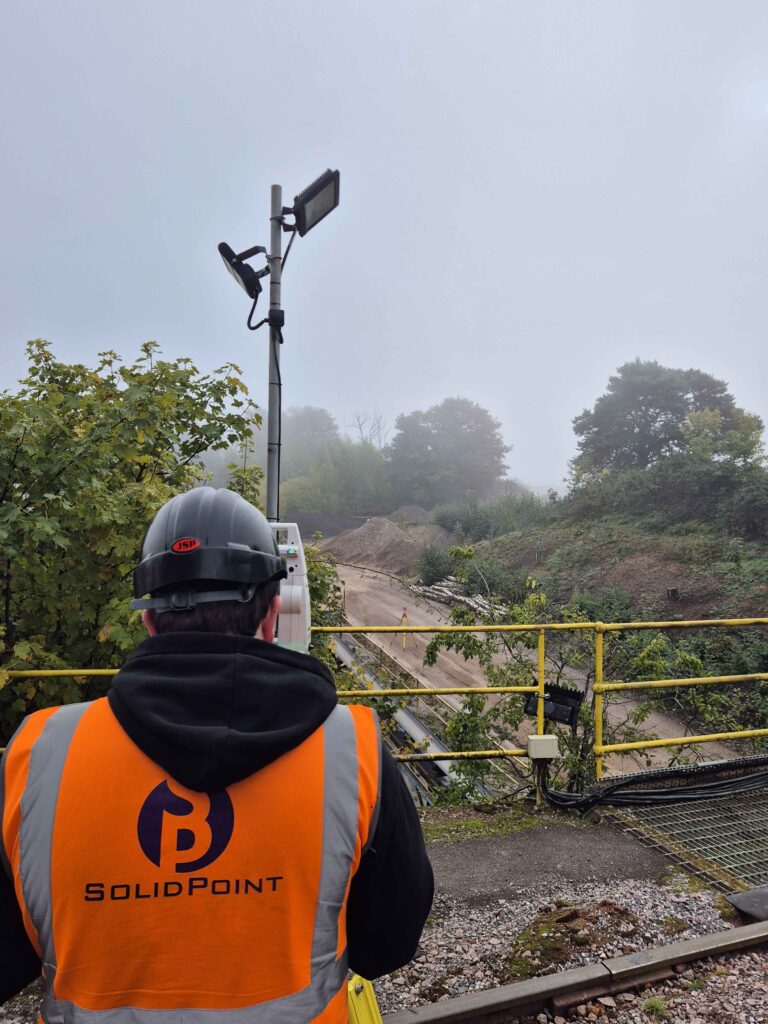
We run a 3-stage Quality Assurance for every project to limit the amount of potential error before you receive your data.
We do ask you to look over it yourself to ensure it meets your requirements. We are still in a world where the work is largely completed by humans (despite automating as much as possible) so mistakes can creep in.
We try our very best to mitigate them, but please feel free to give us a call and we will put it right at no extra cost! In most cases it can be a very quick fix, so if you have any questions regarding the info we give you, please feel free to ask our team.
Give us Feedback
We are always striving to improve our processes. To do so, we need your feedback. If you feel something could be presented better, made more clear or even simplified, please let us know.
We are here to serve our clients as best we can and provide best value for money. We aim to reduce waste and cost on your projects so that we can continue to serve you on future projects as your preferred survey partner!
Ready to Eliminate the Guesswork?
Don't let poor data derail your project before it begins. Contact the team today to schedule your pre-project consultation and ensure your planning application is built on a flawless foundation.
Stay updated with us:
How Can SolidPoint Help Your Project?
At SolidPoint, we are passionate about providing accurate and efficiently collected data for our clients and have worked on numerous projects across the UK. If you are looking to commission a survey in your next project, please don’t hesitate to Get in touch with a member of our friendly team to discuss your requirements and get a free quote.
Alternatively, you can call us on 01332 898350 or email us at projects@solidpoint.co.uk for more information on our services. We look forward to hearing from you!
Give us a call on
Request a Free Quote






Trusted Suppliers for: